
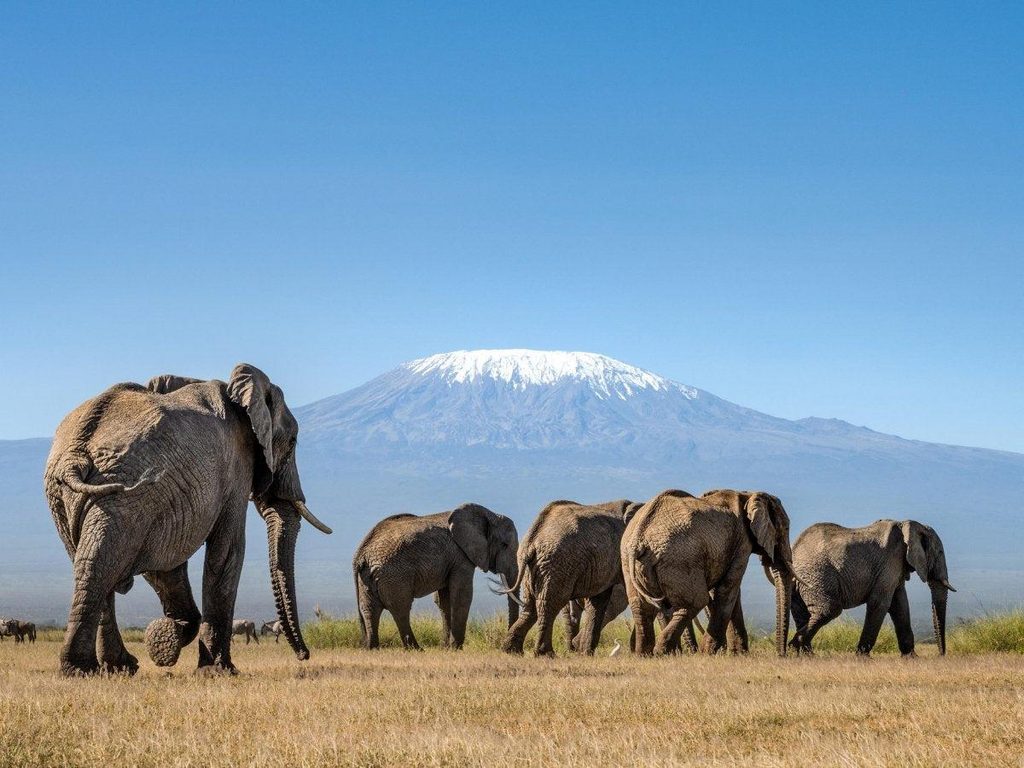
When people think of Kenya, images of elephants crossing open grasslands, lions resting beneath acacia trees and wildebeest moving across the Maasai Mara often come to mind.
These images have become part of Kenya’s international identity.
But Kenya is much more than its wildlife.
It is a country shaped by centuries of migration, trade, agriculture, pastoralism, coastal civilisation, cultural exchange and modern urban development.
Its people speak different languages, maintain different traditions and belong to communities whose histories stretch back generations.
From the Swahili settlements of the coast to the pastoral communities of northern Kenya, from the agricultural highlands to the modern streets of Nairobi, the country’s identity is built from many interconnected stories.
To understand Kenya properly, one must look beyond the safari vehicle.
One must understand the people and cultures that have shaped the landscape.
A Country of Many Communities
Kenya is home to dozens of cultural and linguistic communities.
Swahili and English are the country’s official languages, while numerous indigenous languages continue to be spoken across different regions.
Among the communities are the Kikuyu, Luo, Kalenjin, Luhya, Kamba, Maasai, Samburu, Turkana, Somali, Mijikenda and many others.
Each has its own historical experiences, cultural expressions and social traditions.
There is no single way to describe Kenyan culture.
A farming community in the central highlands may have a very different historical relationship with land from a pastoral community in the north.
A Swahili family on the coast may maintain traditions influenced by centuries of Indian Ocean trade.
Understanding these distinctions is essential to appreciating the country.
The Swahili Coast: Where Africa Met the Wider Indian Ocean World
Kenya’s coastal history is among the most fascinating parts of its heritage.
For centuries, settlements along the East African coast participated in Indian Ocean trade networks connecting Africa with Arabia, Persia, India and other regions.
These interactions contributed to the development of Swahili civilisation.
Swahili culture reflects a long history of African foundations and international exchange.
The Swahili language itself developed through centuries of contact, incorporating influences from Arabic and other languages while remaining fundamentally rooted in Bantu linguistic heritage.
Coastal architecture, cuisine, clothing, poetry and religious practices also reflect this history.
Lamu: A Living Example of Swahili Heritage
Lamu Old Town is one of Kenya’s most important historic settlements.
Recognised as a UNESCO World Heritage Site, it preserves architectural and cultural traditions associated with Swahili civilisation.
Its narrow streets, traditional houses, carved wooden doors and historic mosques tell stories of a society shaped by trade, craftsmanship, religion and community life.
Unlike many modern cities, parts of Lamu’s historic centre developed around pedestrian movement and traditional transport.
Donkeys remain an important feature of everyday life in the old town.
The annual Lamu Cultural Festival provides opportunities to celebrate local heritage through traditional music, dance, dhow sailing and other cultural activities.
Lamu is a reminder that Kenya’s history cannot be understood solely through its inland wildlife destinations.
Its coastal communities have their own deep and distinctive heritage.
The Maasai: Pastoral Life, Identity and Cultural Continuity
The Maasai are among the most internationally recognised communities in East Africa.
Traditionally pastoralist, Maasai society has historically placed great importance on cattle.
Cattle are associated with livelihood, wealth, social relationships and cultural identity.
The Maasai are also known for their distinctive clothing, beadwork, songs and ceremonial traditions.
One of the best-known cultural expressions is the Adumu, a jumping dance associated with young Maasai warriors.
However, Maasai culture should not be reduced to performances for visitors.
Maasai communities are contemporary societies dealing with education, land ownership, conservation, changing economic opportunities and the preservation of cultural identity.
Many Maasai people participate in modern professions while maintaining connections to their traditions.
Understanding this balance between cultural continuity and social change provides a much richer perspective than simply photographing traditional dress.
The Samburu: Life in Northern Kenya
The Samburu people live primarily in northern Kenya.
Their traditional way of life has been strongly connected to pastoralism.
Goats, sheep, cattle and camels have historically played important roles in the community’s economy and social organisation.
The Samburu share cultural and linguistic relationships with the Maasai, but maintain their own distinct identity.
Beadwork is an important part of Samburu cultural expression.
Jewellery, colours and patterns can communicate identity, age and aspects of social life.
Traditional songs and dances also remain significant.
The region’s landscape is very different from the more famous grasslands of the Maasai Mara, offering visitors another perspective on Kenya’s natural and cultural diversity.
Kenya’s Agricultural Heritage
Not all of Kenya’s traditional livelihoods are pastoral.
Agriculture has played an important role in shaping the country’s population, settlement patterns and economy.
The central highlands are associated with communities such as the Kikuyu, Embu and Meru.
Farming has historically influenced household organisation, land use and community life in these regions.
Crops such as maize, beans, potatoes, tea and coffee are important to different agricultural areas.
Kenyan tea and coffee have also become significant international products.
The country’s agricultural history is closely connected to colonial land policies, independence and the development of modern commercial farming.
These histories continue to influence conversations about land, ownership, rural development and economic opportunity.
Nairobi: A City That Represents Modern Kenya
Nairobi offers a different expression of Kenyan identity.
Founded during the construction of the Uganda Railway in the late nineteenth century, the settlement grew into an important administrative and commercial centre.
Its development was closely connected to British colonial rule and the expansion of railway infrastructure across East Africa.
After Kenya gained independence in 1963, Nairobi continued developing into the country’s political, financial and cultural centre.
Today, it is a city of contrasts.
Modern office buildings stand alongside traditional markets.
International restaurants operate near local food establishments.
Technology businesses, universities, cultural organisations and creative industries contribute to its evolving identity.
Nairobi is also famous for its unusual relationship with wildlife.
Nairobi National Park sits close to the city, creating one of the world’s most distinctive urban wildlife settings.
This relationship between urban development and conservation is an important part of modern Kenyan identity.
Food: One of the Best Ways to Understand Kenya
Kenyan food culture reflects the country’s regional diversity.
There is no single national menu that represents every community.
However, certain dishes have become widely recognised.
Ugali
A staple food made from maize flour and water, often served alongside vegetables, meat or fish.
Nyama Choma
Roasted meat, commonly goat or beef, is a popular social food.
It is often enjoyed during gatherings with friends and family.
Sukuma Wiki
A leafy vegetable dish frequently served with ugali.
Githeri
A traditional combination of maize and beans associated particularly with communities in central Kenya.
Pilau
A spiced rice dish with historical connections to coastal Swahili cuisine.
Chapati
A flatbread widely enjoyed across the country.
Food is an important expression of community identity, hospitality and shared social life.
A meal in Kenya can reveal much about the region, the household and the cultural influences that shaped its cuisine.
Music, Dance and Oral Traditions
Music and storytelling remain important elements of Kenyan cultural life.
Different communities have developed distinctive musical instruments, dance styles and forms of oral expression.
Among the notable cultural traditions are:
- Isukuti drumming and dance among the Isukha and Idakho communities.
- Maasai ceremonial songs and dances.
- Swahili poetry and taarab musical traditions along the coast.
- Luo musical traditions associated with instruments such as the nyatiti.
- Contemporary Kenyan popular music influenced by local and international genres.
These traditions demonstrate how cultural heritage continues to evolve rather than simply remaining fixed in the past.
Wildlife Conservation and the Communities Who Live Alongside It
Kenya’s wildlife heritage is inseparable from questions about land, livelihoods and conservation.
National parks and reserves provide important habitats for wildlife, but many communities live in surrounding landscapes.
For generations, pastoral communities have moved livestock across territories according to rainfall, grazing conditions and access to water.
Modern conservation policies have changed how land is used and managed.
Community conservancies have emerged as one approach to connecting wildlife protection with local participation and economic opportunity.
These arrangements vary considerably, but they highlight an important principle: conservation works best when the people living alongside wildlife are recognised as important stakeholders.
The future of Kenya’s wildlife heritage depends not only on protecting animals but also on understanding the communities and landscapes connected to them.
November and December: A Different Side of Kenya
The end of the year offers interesting opportunities to explore different parts of Kenya.
November is associated with the short-rains period in many regions, although rainfall patterns vary considerably.
December can offer favourable wildlife-viewing conditions in several parks, while coastal destinations attract people seeking warm weather and beach experiences.
Some destinations worth exploring include:
- Maasai Mara.
- Amboseli.
- Tsavo East and Tsavo West.
- Samburu.
- Lake Nakuru.
- Nairobi.
- Lamu.
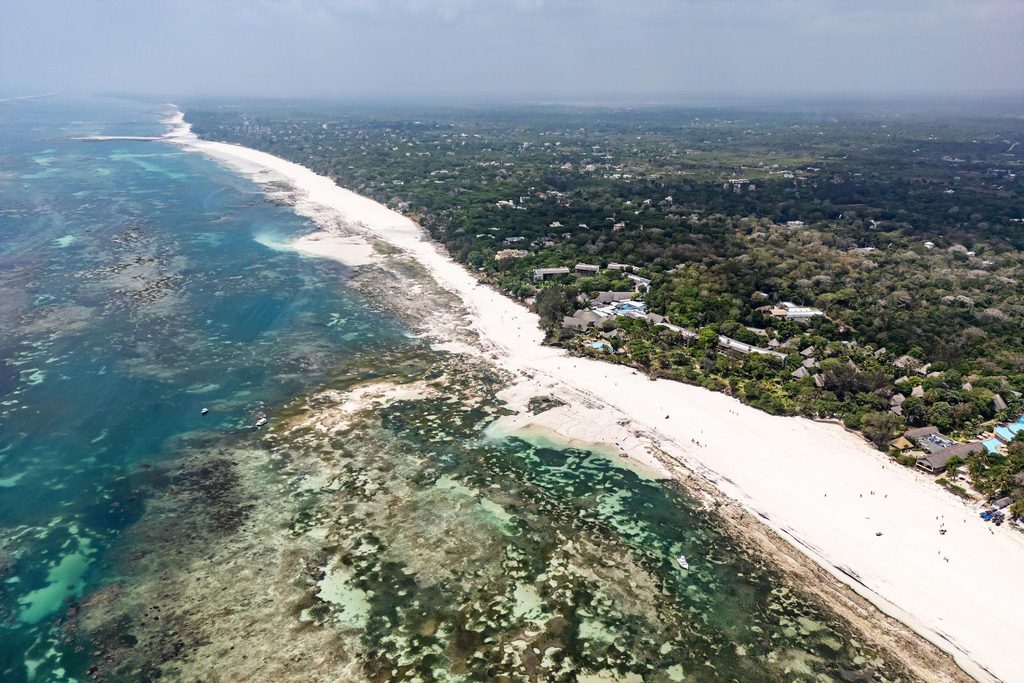
- Diani Beach.
Each destination offers a different combination of history, culture, wildlife and landscape.
The Maasai Mara should not be understood as representing all of Kenya, just as Nairobi cannot represent every Kenyan community.
The country’s appeal lies precisely in its diversity.
How to Experience Kenya Respectfully
A meaningful visit to Kenya involves more than photographing wildlife and landscapes.
Consider the following:
Respect cultural practices.
Ask permission before photographing people, ceremonies or private spaces.
Support locally owned businesses.
Choose community-based guides, artisans and establishments where possible.
Understand wildlife ethics.
Follow park rules and avoid activities that disturb animals.
Learn a few Swahili expressions.
Simple greetings such as Jambo, Habari and Asante can help create friendly interactions, although the appropriate greeting depends on context.
Listen to local stories.
Museums, cultural institutions, local historians and community guides can provide perspectives that are not always available in conventional travel publications.
Final Thoughts: Kenya Is a Story of People as Much as Wildlife
Kenya’s landscapes are extraordinary, but its people give those landscapes meaning.
Its coastal history connects the country to the wider Indian Ocean world.
Its pastoral traditions reveal longstanding relationships between people, livestock and the environment.
Its agricultural communities demonstrate the importance of land and food.
Its cities reflect the complexities of colonial history, independence and modern development.
And its music, languages, cuisine and traditions continue to evolve through generations.
The next time someone speaks about Kenya, perhaps the conversation should begin with more than the Big Five.
It should include the people, histories and cultures that make the country what it is.
Because Kenya is not simply a safari destination.
It is a living cultural landscape.