
Imagine watching elephants move across an African landscape, spotting giraffes against a golden sunset or observing lions resting in the grasslands of a national reserve.
For travellers looking for an unforgettable African adventure, Kenya offers some of the continent’s most remarkable wildlife experiences.
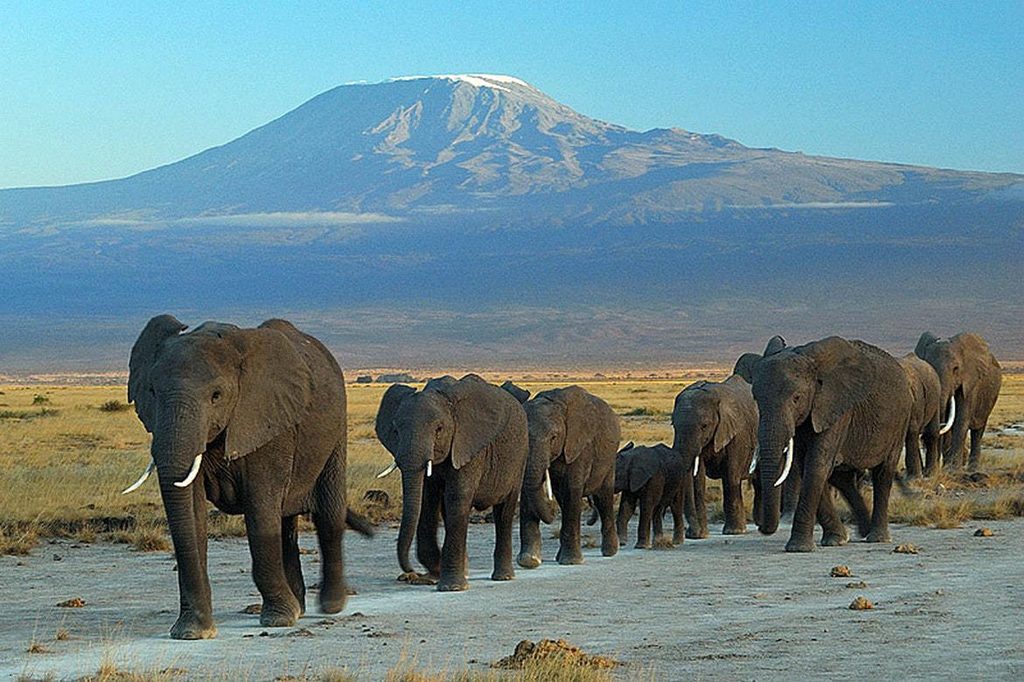
From the famous Maasai Mara to Amboseli’s spectacular views of Mount Kilimanjaro, Kenya is a destination where wildlife, natural beauty and cultural experiences come together.
And if you’re considering a safari holiday towards the end of the year, November and December deserve serious consideration.
These months offer a different perspective of Kenya, with seasonal rainfall transforming parts of the landscape and creating attractive opportunities for wildlife photography and nature exploration.
Whether you’re travelling from Nigeria, another African country or elsewhere in the world, here’s why Kenya should be on your next travel itinerary.
Why Visit Kenya in November and December?
Kenya has a diverse climate, and conditions vary significantly between its coastal regions, central highlands and wildlife reserves.
November is traditionally associated with the short-rains season in many parts of the country.
These showers can transform dry landscapes into greener environments.
December generally brings opportunities for continued wildlife viewing, although rainfall and conditions vary by location and year.
Kenya’s Wildlife Service identifies December–March as one of the favourable wildlife tourism periods in many parks and reserves.
The period also coincides with increased festive-season travel demand, particularly around Christmas and New Year.
For travellers who enjoy wildlife, nature photography and outdoor experiences, it can be an attractive time to explore Kenya.
1. Explore the Maasai Mara National Reserve
The Maasai Mara is one of Africa’s most famous wildlife destinations.
Located in southwestern Kenya, the reserve is internationally recognised for its wildlife populations and expansive grasslands.
Visitors may encounter:
- Lions.
- Elephants.
- Giraffes.
- Zebras.
- Buffaloes.
- Various antelope species.
- Numerous bird species.
The reserve is particularly famous for the annual wildebeest migration, although the timing of migration movements varies and November and December are not generally the main migration months.
Visitors travelling at the end of the year can still enjoy resident wildlife and the beauty of the landscape.
2. Visit Amboseli National Park
Amboseli is famous for its large elephant populations and spectacular views of Mount Kilimanjaro.
The combination of wildlife and mountain scenery makes it particularly attractive to photographers.
Visitors can enjoy:
- Elephant sightings.
- Birdwatching.
- Wildlife photography.
- Scenic landscapes.
- Cultural experiences in the surrounding region.
Weather and visibility can vary, so travellers should allow flexibility in their safari itinerary.
3. Discover Tsavo National Parks
Tsavo East and Tsavo West together form one of Kenya’s most extensive protected wildlife areas.
The parks offer a different safari experience from the more famous Maasai Mara.
Visitors can explore expansive landscapes, observe wildlife and experience the diversity of Kenya’s natural environment.
Tsavo East is known for its open terrain and red-dust elephants, while Tsavo West offers varied landscapes and scenic natural attractions.
4. Experience Lake Nakuru National Park
Lake Nakuru National Park is an attractive destination for wildlife and bird enthusiasts.
The park is known for its birdlife, rhinos and scenic lake environment.
Visitors may encounter:
- White rhinos.
- Black rhinos.
- Giraffes.
- Buffaloes.
- Various antelope species.
- Numerous birds.
The lake’s water levels and bird populations can change over time, so current conditions should be checked when planning a visit.
5. Visit Samburu National Reserve
Samburu offers a distinctive wildlife experience in northern Kenya.
The reserve is known for species that are particularly associated with the region’s drier ecosystems.
These include:
- Grevy’s zebra.
- Reticulated giraffe.
- Somali ostrich.
- Gerenuk.
- Beisa oryx.
Samburu is an excellent option for travellers interested in discovering a different side of Kenya beyond the more frequently visited safari destinations.
6. Enjoy a Beach Holiday in Diani
Kenya is not just about wildlife.
Its coastline offers beautiful beaches, warm waters and opportunities for relaxation.
Diani Beach, located south of Mombasa, is one of the country’s best-known coastal destinations.
Visitors can enjoy:
- Beach relaxation.
- Snorkelling.
- Diving.
- Boat excursions.
- Water sports.
- Coastal restaurants and accommodation.
November and December can offer attractive beach conditions, although occasional showers and high humidity should be expected.
7. Discover Mombasa
Mombasa combines coastal relaxation with history and culture.
Visitors can explore:
- Fort Jesus.
- Old Town.
- Traditional markets.
- Coastal beaches.
- Local Swahili cuisine.
- Historic architecture.
It is an excellent destination for travellers who want a holiday that combines sightseeing with relaxation.
8. Explore Nairobi
Nairobi is an ideal starting point for many Kenyan adventures.
The city combines modern urban life with natural attractions.
One of its most unusual experiences is Nairobi National Park, where wildlife can be seen against a backdrop of the city’s skyline.
Other attractions include:
- David Sheldrick Wildlife Trust, subject to visitor arrangements.
- Giraffe Centre.
- Nairobi National Museum.
- Karen Blixen Museum.
- Local restaurants and cultural attractions.
Visitors should verify opening times and visitor requirements before travelling.
What Makes a November or December Safari Different?
The end-of-year safari season offers several interesting possibilities.
Greener landscapes
The short rains can transform parts of Kenya’s landscape, creating attractive scenery for photographers.
Birdwatching opportunities
Migratory bird activity can make this an interesting period for bird enthusiasts.
Wildlife experiences
Resident wildlife remains present throughout the year, although sightings depend on location, weather and animal movement.
Festive-season atmosphere
December offers opportunities to combine safari experiences with Christmas and New Year celebrations.
However, the festive period can also be busy, particularly in popular parks, lodges and coastal destinations.
Advance planning is therefore important.
Where Should You Stay During a Kenyan Safari?
Accommodation is an important part of the safari experience.
Kenya offers several types of accommodation.
Safari lodges
These provide comfortable accommodation within or close to wildlife destinations.
Tented safari camps
These offer a closer connection to the natural environment, with facilities varying considerably between properties.
City hotels
Useful for travellers spending time in Nairobi or Mombasa.
Beach resorts
Suitable for visitors combining wildlife experiences with coastal relaxation.
When choosing accommodation, consider:
- Distance from the park entrance.
- Access to game drives.
- Included meals.
- Transport arrangements.
- Room facilities.
- Safety arrangements.
- Cancellation conditions.
Explore <a href=”https://hotels.safariorcity.com/” target=”_blank” rel=”noopener noreferrer”>available hotel accommodation through SafariOrCity</a>.
If you are planning a safari, check whether the property is a suitable lodge or camp for your intended destination rather than assuming a city hotel will be convenient for wildlife excursions.
How to Get to Kenya from Nigeria
Travellers from Nigeria can compare available international flight options to Nairobi and other relevant Kenyan arrival airports.
Nairobi’s Jomo Kenyatta International Airport is a major gateway for international visitors.
Depending on your safari destination, additional domestic flights or road transfers may be required.
Before booking, consider:
- International flight options.
- Arrival and departure times.
- Domestic connections.
- Road transfer duration.
- Baggage conditions.
- Accommodation location.
Start comparing available flights through <a href=”https://safariorcity.com/” target=”_blank” rel=”noopener noreferrer”>SafariOrCity</a>.
What Should You Pack for Kenya?
Your packing list depends on the destinations and activities in your itinerary.
Consider taking:
- Comfortable walking shoes.
- Lightweight clothing.
- A light jacket for cooler mornings.
- Sun protection.
- Insect repellent.
- Binoculars for wildlife viewing.
- A camera.
- Appropriate outdoor clothing.
- Essential travel documents.
If your itinerary includes coastal destinations, pack suitable beachwear.
For safari excursions, neutral-coloured clothing is generally practical.
Also check relevant health and entry requirements before departure.
Important Travel Advice for Visitors to Kenya
Before travelling, verify:
- Current entry and Electronic Travel Authorisation requirements.
- Applicable health and vaccination guidance.
- Park entry fees and operating conditions.
- Accommodation and safari arrangements.
- Weather forecasts.
- Local transport arrangements.
- Any travel advisories affecting your intended destinations.
Use official Kenyan government and wildlife authorities for current information.
Frequently Asked Questions
Is November a good time to visit Kenya?
Yes. November can be an attractive shoulder-season month, with greener landscapes and wildlife-viewing opportunities. However, short rains may affect some road conditions.
Is December a good month for a Kenya safari?
Yes. Many Kenyan parks offer wildlife-viewing opportunities in December. However, Christmas and New Year are busy travel periods, so accommodation should be arranged ahead of time.
Can I see the Big Five in Kenya?
Kenya has populations of all five animals commonly referred to as the Big Five: lion, leopard, elephant, buffalo and rhinoceros. Sightings are never guaranteed.
Is Kenya suitable for a beach and safari holiday?
Absolutely. Travellers can combine wildlife destinations with coastal locations such as Diani and Mombasa, subject to available transport and sufficient travel time.
How many days do I need for a Kenya safari?
A three-to-five-day safari can provide a useful introduction to one or two wildlife destinations. A longer itinerary allows more time for multiple parks or a combination of safari and beach experiences.
Can I travel to Kenya from Nigeria?
Yes. Nigerian travellers can plan international trips to Kenya, subject to the applicable entry and travel requirements.
Final Thoughts
Kenya offers an extraordinary combination of wildlife, landscapes, beaches and cultural experiences.
November and December provide opportunities to discover its national parks, explore its coastal destinations and experience the country’s festive atmosphere.
Whether you want to observe elephants in Amboseli, explore the Maasai Mara, discover Nairobi or relax along the Indian Ocean coastline, Kenya has something memorable to offer.
Start planning your journey, compare available flights and explore accommodation for your preferred destinations.
Discover Kenya with SafariOrCity.
Your travels simplified.