
Travelling should be an exciting experience, not a financial headache. Whether you’re planning a business trip to London, a family holiday in Dubai, a weekend getaway within Nigeria or an international adventure, finding affordable flights can make a significant difference to your travel budget.
The good news? You don’t always have to settle for the first airfare you see. With a little planning, flexibility and a better understanding of how to compare flight options, you can make more informed booking decisions and potentially save money on your next trip. At SafariOrCity, we believe that travel planning should be simpler. Our platform helps travellers explore flight and accommodation options so they can organise their journeys with greater confidence.
In this guide, we’ll share 12 practical ways to find cheap flights from Nigeria, compare available fares and avoid common booking mistakes. Whether you’re flying from Lagos, Abuja, Port Harcourt or another departure city, these tips will help you approach your next flight search more strategically.

1. Compare Flight Prices Before Making a Decision
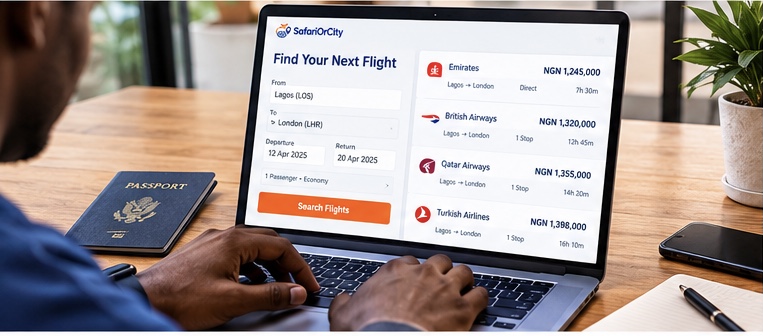
One of the most effective ways to approach cheap flight booking is to compare your available options before paying. Different airlines and itineraries can offer different combinations of price, journey duration, departure times, baggage allowances and connection arrangements.
The first fare you see might be convenient, but it isn’t necessarily the best option for your needs. For example, imagine you’re travelling from Lagos to London. One itinerary might offer a direct flight at a higher price, while another might include a connection and a lower fare. The cheaper option could be attractive, but you’ll need to consider the additional travel time, connection arrangements and baggage conditions.
Before booking, compare:
* Total ticket price.
* Departure and arrival times.
* Total journey duration.
* Number of stops.
* Baggage allowance.
* Connection times.
* Refund and change conditions.
* Any additional charges.
This helps you evaluate the overall value of an itinerary rather than focusing exclusively on its advertised price. This is where OTAs become a prudent choice, whereas Airlines offer there own prices you get to compare different airline packages on OTAs, in other words, the Airlines compete for your attention.
Travel tip: Compare similar itineraries using the same passenger count, cabin class and travel dates. Otherwise, you may be comparing prices that don’t represent the same journey.

2. Be Flexible With Your Travel Dates
If your travel plans allow some flexibility, compare fares across several departure and return dates. Airfares can vary depending on demand, available seats, seasonality, route and other factors. Travelling on a different day may reveal options that better suit your budget. For example, if you’re planning a holiday from Abuja to Dubai, compare the available fares for several nearby departure dates instead of checking only one day. Consider comparing:
* Your preferred departure date.
* One or two days before departure.
* One or two days after departure.
* Different return dates, if your itinerary allows.
* Alternative trip lengths.
You might discover that changing your departure date makes a meaningful difference to the total fare. However, flexibility does not guarantee a cheaper ticket. The best approach is to compare the options actually available for your route.
Should you fly during the week? It can be worth comparing weekday and weekend departures. But don’t assume that every Tuesday or Wednesday will be cheaper than every Friday or Sunday. Fare patterns differ between routes, dates and airlines.
The important thing is to compare actual prices for your intended journey.

3. Book Ahead When Your Travel Plans Are Fixed
Waiting until the last minute can limit your options, particularly when you have fixed travel dates or need a specific itinerary. Booking ahead gives you more time to compare available flights and choose an itinerary that meets your requirements. This is especially worth considering for:
* Christmas and New Year holidays.
* School holidays.
* Major international events.
* Weddings and family celebrations.
* Business conferences.
* Popular travel periods.
For example, if you’re planning to travel internationally from Nigeria during December, start comparing available flights as early as possible. You can then assess the available fares, connection options and booking conditions without leaving the entire decision until the final days. There is no universal booking window that guarantees the cheapest airfare for every route. Prices can change as seats are sold, demand shifts and airlines adjust their inventory. The goal is to make a well-informed decision using current prices rather than relying on a supposed perfect day to book.
4. Compare Direct Flights with Connecting Flights
A direct flight is often attractive because it reduces the time spent travelling. However, some connecting itineraries may offer lower fares. If you’re trying to find affordable international flights from Nigeria, it can be worth comparing both options. Imagine you’re travelling from Lagos to London.
A direct itinerary may offer a shorter journey, while an alternative with a connection may have a lower advertised price. Before choosing the connecting itinerary, consider the following.
Total journey time: Will the lower fare require several additional hours of travel?
Connection duration: Is the connection long enough for the itinerary’s requirements? Very short connections can be risky, while excessively long layovers may make the journey exhausting.
Baggage arrangements: Will your baggage be checked through to your final destination, or will you need to collect and recheck it?
Ticket structure: Are all flight segments on one ticket, or are you purchasing separate tickets?
Transit requirements: Will you need permission to enter or transit through the connecting country? Requirements depend on your nationality, itinerary and circumstances, so check the applicable official rules.
Additional expenses: Will you need meals, airport transport, accommodation or other services during a long layover?
A cheaper airfare may still be worthwhile, but only if the overall itinerary works for you.

5. Check Alternative Airports Where Practical
Depending on your destination, it may be worth comparing flights involving alternative airports. Some metropolitan areas have multiple airports, and different departure or arrival airports may offer different flight options. However, an alternative airport is useful only if it makes practical sense for your trip. Before choosing it, consider:
* Distance from your home or accommodation.
* Ground transport costs.
* Journey time to the airport.
* Airport transfer arrangements.
* The location of your final destination.
* Whether changing airports during a connection is necessary.
For Nigerian travellers, this is particularly relevant when comparing itineraries that involve different international arrival airports or connections. For example, if your final destination is central London, a lower fare to an airport farther away may involve additional transport costs and time. Likewise, a connection involving two different airports may create logistical challenges.

6. Understand What Your Airfare Actually Includes
A low advertised airfare can be appealing, but it’s important to understand what you’re paying for. Different fares may include different baggage allowances, seat-selection options and flexibility. Before completing your booking, check the conditions attached to the specific fare. Pay particular attention to:
Cabin baggage: Check the permitted dimensions, weight and number of cabin bags.
Checked baggage: Confirm whether checked baggage is included and whether you need to pay extra.
Seat selection: Some fares charge separately for choosing a seat.
Ticket changes: Check whether changes are permitted and what fees or fare differences may apply.
Refund conditions: Understand the applicable cancellation and refund terms before paying.
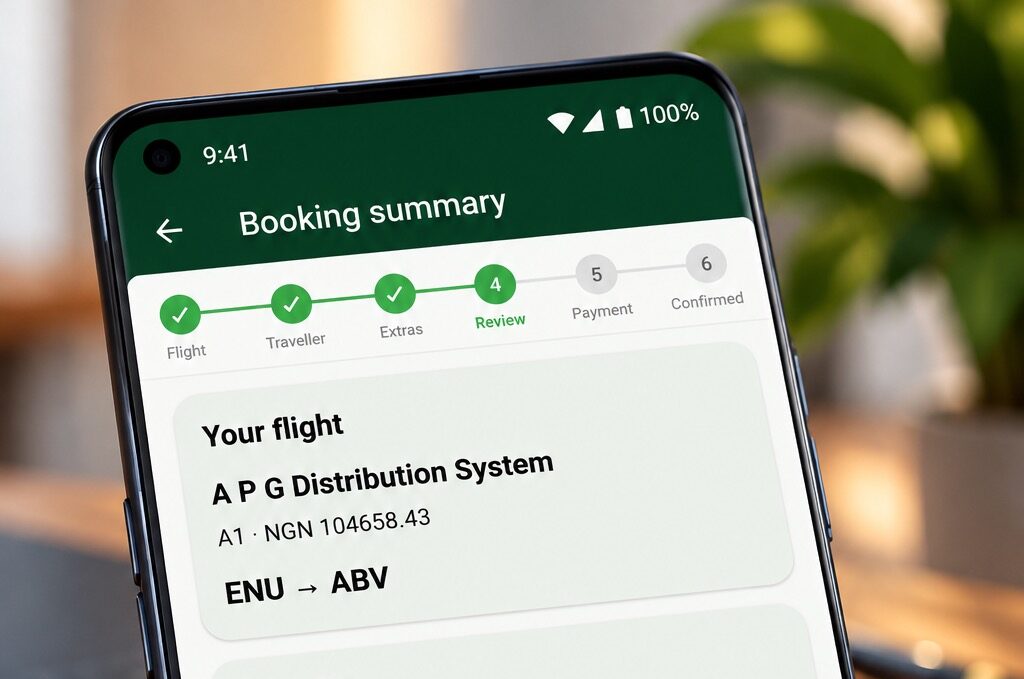
Payment and additional charges: Review the final amount shown during the booking process.
These details matter because two tickets with different advertised prices may not provide equivalent benefits.: For example, if you need checked baggage, a slightly more expensive fare that includes it may represent better value than a lower base fare that requires an additional payment.
7. Consider Travelling Outside Peak Seasons
Travel demand can influence airfare availability and prices. During busy periods, many travellers compete for available seats. This can make finding a suitable low fare more difficult. If your plans are flexible, compare travel dates outside the busiest periods for your destination. Depending on where you’re going, you may wish to investigate:
* Dates outside school holidays.
* Periods outside major festivals.
* Travel dates before or after major events.
* Alternative weeks within the same season.
* Dates outside the most popular holiday periods.
For instance, a traveller planning a leisure trip to Dubai may want to compare different dates within the destination’s popular travel season. Someone travelling to London may wish to compare dates around major holidays and school breaks.
However, seasonality varies by destination. Weather, local events, business travel and airline schedules can all influence demand. Travelling during a quieter period may also mean encountering less favourable weather or reduced access to certain attractions.
8. Compare One-Way, Return and Multi-City Itineraries
The best ticket structure depends on the type of journey you’re planning. A return ticket may be suitable for a straightforward holiday, while a one-way ticket may make sense for certain relocation, work or extended-travel plans. If you’re visiting several destinations, a multi-city itinerary may be worth investigating.
Consider these examples:
Return trip: Abuja to London, followed by London to Abuja.
One-way trip: Lagos to Dubai, with onward travel arranged separately.
Multi-city trip: Lagos to Nairobi, followed by Nairobi to another destination, and eventually returning to Nigeria.
The availability and pricing of these options depend on your route and travel dates. When comparing separate tickets, remember that you may have fewer protections if a delay causes you to miss a later flight. You may also need to collect baggage, check in again or meet additional entry requirements. Don’t assume that combining multiple one-way tickets will always be cheaper than purchasing a return or multi-city itinerary.
9. Start With a Realistic Travel Budget
Your flight is only one part of your trip. If you want to manage your travel expenses effectively, consider the total cost of getting to your destination and enjoying your stay. Your budget may include:
* Airfare.
* Checked baggage.
* Airport transfers.
* Accommodation.
* Meals.
* Local transport.
* Activities and attractions.
* Travel insurance, where appropriate.
* Visa and other applicable travel-document costs.
* An emergency reserve.
For example, a low fare to a destination might look attractive until you discover that the accommodation you need is expensive or the airport is far from your intended location. A slightly different flight date or arrival airport might produce a better overall travel arrangement. The same principle applies to domestic holidays within Nigeria.
If you’re planning a weekend trip, consider the cost of transport, accommodation, meals and activities together. Don’t forget your hotel budget, Once you’ve shortlisted your flight options, compare accommodation in the destination you’re visiting.
You can begin with SafariOrCity’s hotel-search portal to explore available accommodation options that matches your budget and itinerary.
10. Choose Your Destination with Your Budget in Mind
Sometimes, the most effective way to reduce travel expenses is to reconsider the destination or the timing of your trip. If your main goal is to take a holiday rather than visit one specific city, compare several destinations before making your final decision. For example, depending on your travel dates and preferences, you might compare the cost and practicality of visiting:
For each destination, consider:
Airfare: What flight options are available for your intended dates?
Accommodation: Are there suitable hotels within your budget?
Transport: How much might you spend getting around?
Activities: Are the experiences you want to enjoy affordable and accessible?
Entry requirements: Can you meet the applicable travel-document and entry conditions?
Trip duration: Will you have enough time to enjoy the destination without unnecessary additional costs?
If you’re open to different destinations, compare the complete travel budget before deciding.

11. Check Your Flight Search Carefully Before Paying
A good comparison is only useful if you understand the exact itinerary you’re purchasing. Before completing a booking, review every detail.
Check the final amount presented before payment. Review the applicable conditions for changes, cancellations and refunds. Follow the booking provider’s instructions and verify that your booking has been confirmed.
If you’re booking an itinerary with several flight segments, check each segment individually. A small mistake can become an expensive problem if you discover it after payment.

12. Use a Reliable Booking Platform and Keep Your Travel Details Organised
Finding an attractive fare is only part of the booking process. You also need to understand the booking conditions and know how to access your travel details. Use a booking platform that clearly presents the itinerary, fare conditions and information needed to complete your purchase.
Before paying, confirm which supplier is providing the flight and review the applicable terms.
After booking, keep your confirmation details accessible. An OTA like Safariorcity automatically logs these details in your profile, so it is readily accessible in the course of your trip.
If your itinerary includes connections or multiple destinations, organise the information in the order you’ll need it.